

Have you ever wondered why certain brands use specific colours in their logos, advertisements, websites, and social media posts? It is not always just about appearance. Colours play an important role in how people recognise brands, feel about products, and make purchasing decisions.
In digital marketing, colours are more than decorative elements. They help communicate a brand’s personality, create emotional connections, and influence how customers respond to marketing messages. A carefully selected colour combination can make a business look professional, trustworthy, exciting, or luxurious.
Every colour can create different associations depending on culture, personal experiences, and context. Understanding colour psychology helps digital marketers create attractive campaigns that connect with the right audience.
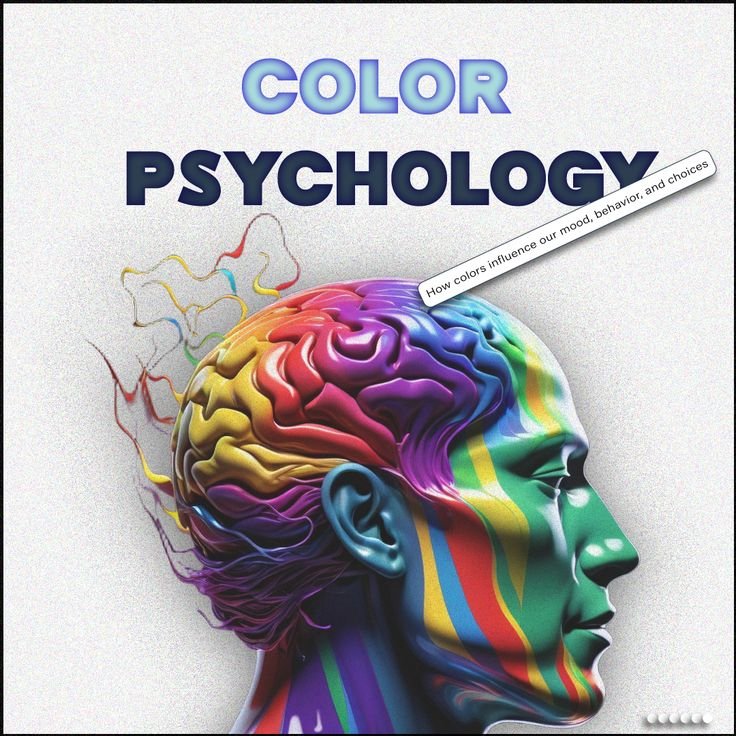
How Different Colours Influence Customers
Red is often associated with passion, urgency, excitement, and energy. Brands use it to attract attention, highlight offers, and encourage quick action.
2. Blue – Trust and Reliability
Blue communicates confidence, security, and professionalism. It is commonly used by technology, finance, and corporate brands to build customer trust.
3. Yellow – Happiness and Positivity
Yellow represents optimism, warmth, and friendliness. It can make advertisements and social media designs feel cheerful and noticeable.
4. Green – Nature and Growth
Green is associated with freshness, health, nature, and sustainability. It is popular among wellness, organic, and environmentally focused brands.
5. Black – Luxury and Elegance
Black often represents sophistication, power, and exclusivity. Luxury and premium brands use it to create a stylish and elegant identity.
6. Orange – Creativity and Enthusiasm
Orange communicates friendliness, confidence, and enthusiasm. It can make promotional content feel energetic and approachable.
Why Is Colour Psychology Important in Digital Marketing?
1. Builds Brand Recognition
Consistent colours help customers identify and remember a brand across websites, advertisements, and social media platforms.
2. Creates Emotional Connections
Colours can influence how customers feel about a brand and help communicate its personality.
3. Improves Website Experience
The right combination of background, text, and button colours makes websites more attractive and easier to navigate.
4. Attracts Customer Attention
Strategic use of accent colours can highlight important information, special offers, and call-to-action buttons.
5. Supports Purchase Decisions
Colours contribute to how customers perceive products and brands, although they are only one factor among many in purchasing decisions.
How Businesses Can Choose the Right Colours
Understand your target audience.
Identify your brand personality.
Select a consistent colour palette.
Maintain good text and background contrast.
Use accent colours for important elements.
Test different combinations to understand audience responses.
Common Mistakes to Avoid
Using too many colours in one design.
Choosing colours without understanding the brand identity.
Ignoring readability and contrast.
Using inconsistent colours across platforms.
Following trends without considering the target audience.
Final Thoughts
Colour psychology is a powerful part of visual communication in digital marketing. The right colours can make a brand more recognisable, communicate its values, and create a memorable customer experience.
However, there is no single colour that guarantees sales or conversions. Successful brands choose colours based on their audience, industry, identity, and marketing goals.
Remember: People may notice your design first, but the right colours can make your brand unforgettable.